



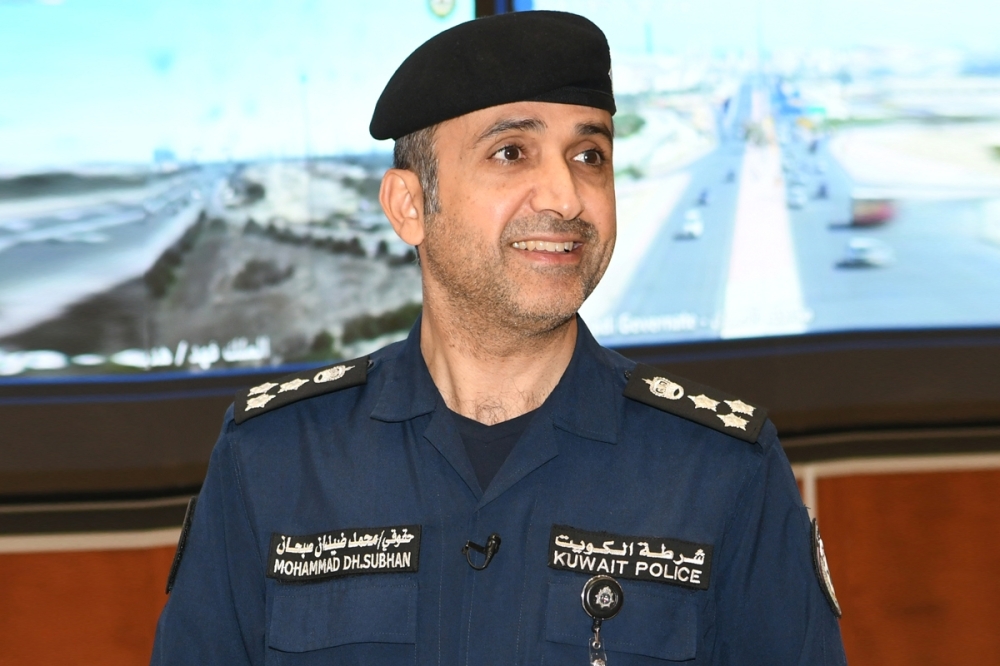
Brigadier General Mohammed Al-Subhan, head of the Unified Gulf Traffic Week Committee 2025, emphasized that the primary goal of the upcoming traffic penalties, which will take effect on April 22, is to protect lives rather than generate revenue. In an interview with Al-Jarida, he stated that Kuwait’s traffic issues are more behavioral than structural, and the new law aims to discourage dangerous driving habits.
Al-Subhan highlighted the rise in traffic violations, particularly speeding, running red lights, not wearing seatbelts, and using mobile phones while driving. The law also targets severe violations, such as modifying vehicles without permission and driving under the influence of alcohol or drugs, which carry hefty fines and potential jail time.
He also noted that traffic cameras, including over 250 AI-powered cameras, have been instrumental in recording violations, with more than 61,000 infractions logged in just three months. Key amendments to the law have increased fines for various violations, such as running a red light and speeding, and introduced harsher penalties for repeat offenders and serious violations. Notably, driving under the influence of alcohol or drugs now carries more severe penalties, including longer prison sentences and higher fines. The focus is on changing driver behavior to reduce accidents and fatalities.